
 Stormwater
Did you know that water that runs down the street is headed for the South Platte River?
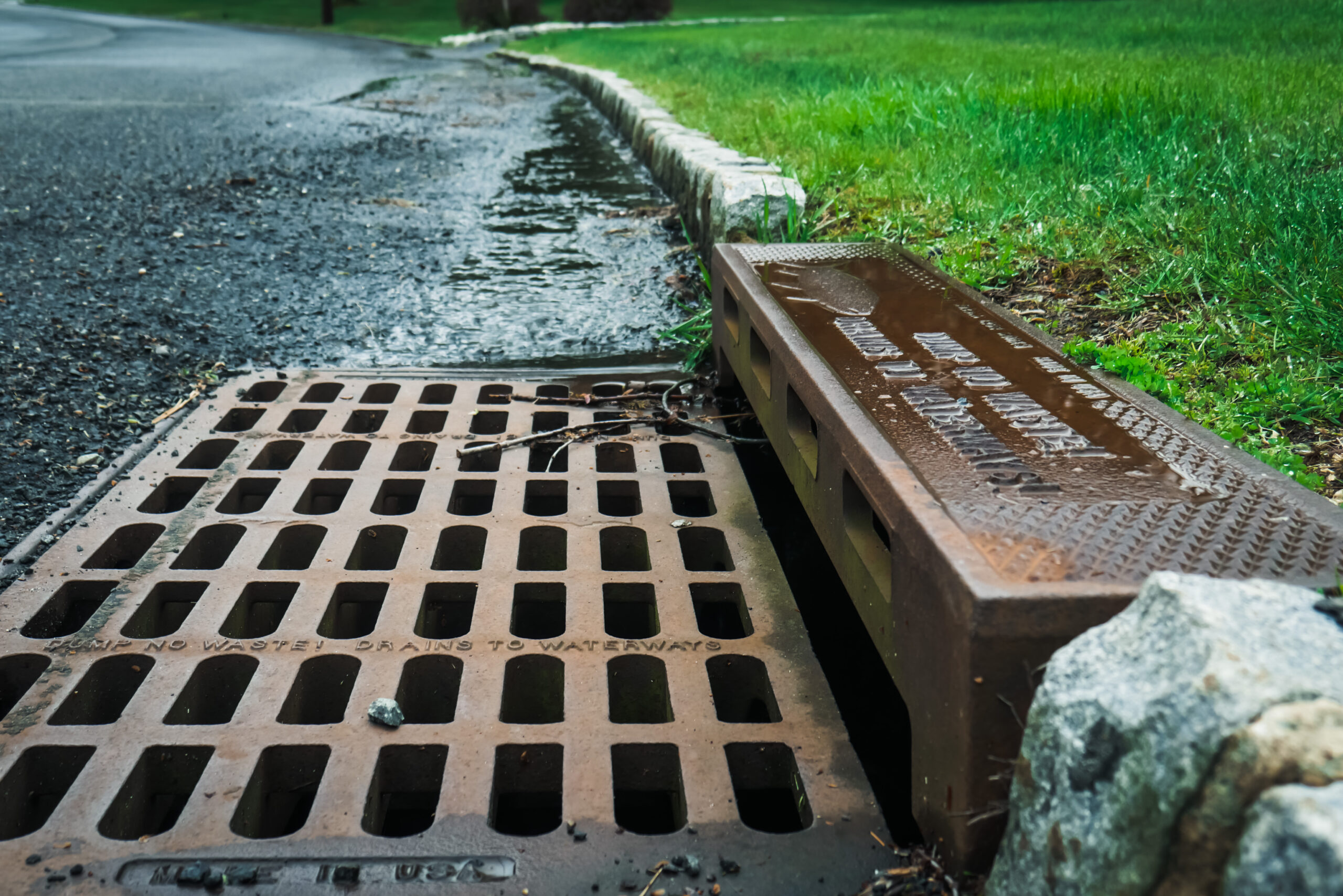
This water is called stormwater—because it includes rain and snowmelt—but it includes everything that enters the Town’s storm drains at the ends of most streets. As stormwater travels down the street, it picks up debris, chemicals, dirt, pet waste, and other pollutants, and it deposits them in water bodies we use for swimming, fishing, and more.
Colorado’s stormwater heads into a watershed—not a water treatment plant where it would be cleaned of pollutants, byproducts, and nutrients in the water. Columbine Valley’s watershed heads straight into the South Platte River, where it can impact water quality and aquatic life.
Because stormwater is not treated at a wastewater treatment facility, the Town takes preventive measures to help ensure the runoff stays as clean as possible, particularly around construction sites and landscaping. This includes Public Works maintenance, homeowner responsibilities, and preventing pollutants from entering stormwater.
Public Works Responsibility
Public Works helps ensure as clean as possible stormwater runoff by:
- Monitoring and cleaning the Town’s stormwater infrastructure.
- Taking proactive and responsive action—often daily—during rainy months.
- Ensuring the Town complies with all state regulations.
- Educating residents about their role in influencing water quality on a neighborhood watershed scale.
Homeowner Responsibility
The Town depends on residents to assist in the upkeep of our stormwater system.
- Each homeowner is responsible for keeping the gutter pans in front of and beside their home clear of buildup and debris.
- The Town acknowledges that this can be a challenge for residents on flat streets, but it is crucial to preventing pooling and flooding.
Protecting Stormwater from Pollutants
Remember, chemicals and byproducts that enter storm drains eventually flow into the South Platte River, impacting water quality and harming aquatic life. To help protect the watershed:
- Pick up pet paste. Dog poop contains nitrogen and phosphorous, nutrients that contribute to low algae growth and depleted oxygen, which can kill fish. See the impacts on this flyer. Pet waste bags are available on the northeast corner of the Town Hall parking lot and at the entrance of Wild Plum.
- Keep chemicals out. Never pour oil, paint, antifreeze, or other household chemicals in the storm drain.
- Landscape responsibly. Avoid blowing lawn clippings, leaves, and branches into the stormwater drains. Consider organic fertilizers.
- Drain water into the yard. Prevent water from hot tubs, car washing, and dog washing—which contains chemicals and detergents—from flowing directly into storm drains.
For more information, see Stormwater Permittees for Local Awareness of Stream Health (SPLASH) at SplashCo.org.
Floodwater
The Flood Plain Ordinances contained in this site are provided for informational purposes only and should not be relied upon for legal purposes. The official Flood Plain Ordinances are on file at the Columbine Valley Town Hall.